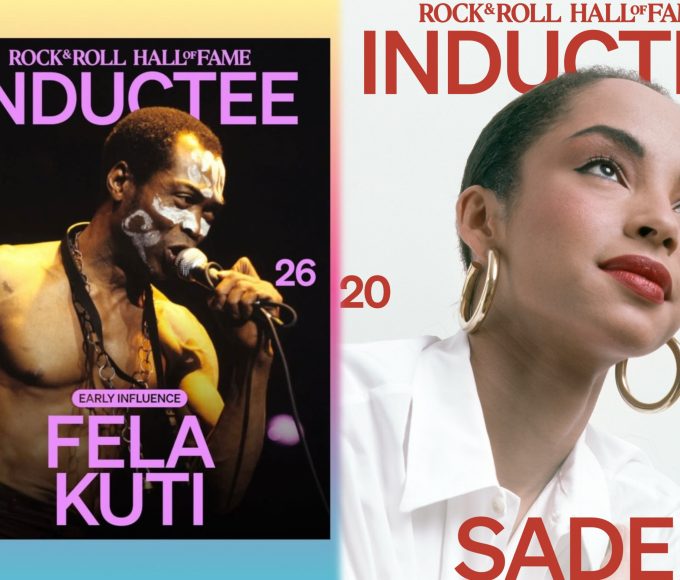
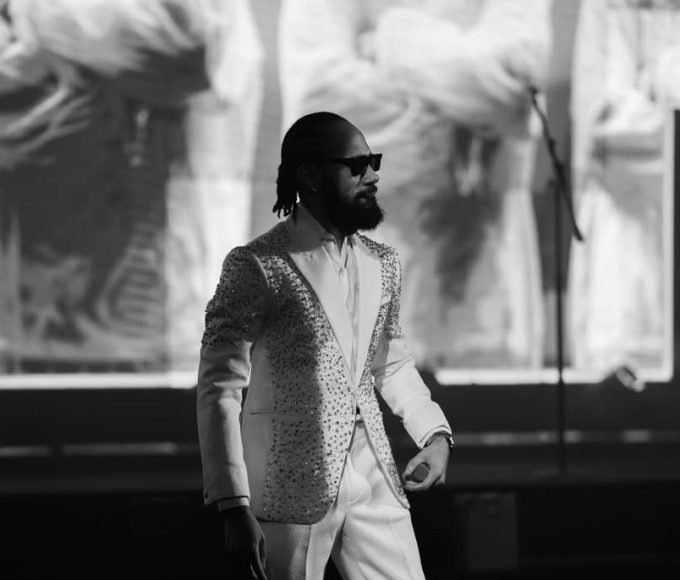
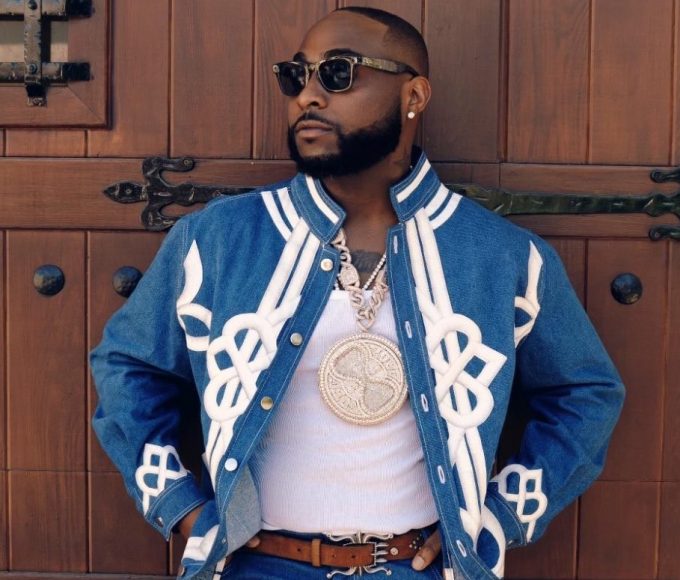
In 2024, Tems brought out Wizkid and Justin Bieber to perform “Essence (Remix)” at Coachella Valley Music and Arts Festival. In 2026, Justin Bieber returned the moment, bringing out Wizkid and Tems to perform the same record on that same stage. It landed differently this time. It felt earned, deliberate, and bigger than a guest appearance.
The performance didn’t need buildup. Once the opening notes of “Essence” came in, the reaction was immediate. The song has already done the heavy lifting over the years, crossing markets, dominating charts, and becoming one of the clearest entry points for Afrobeats into mainstream global pop. What made this Coachella moment stand out wasn’t just the record itself, it was the symbolism behind who called who on stage.
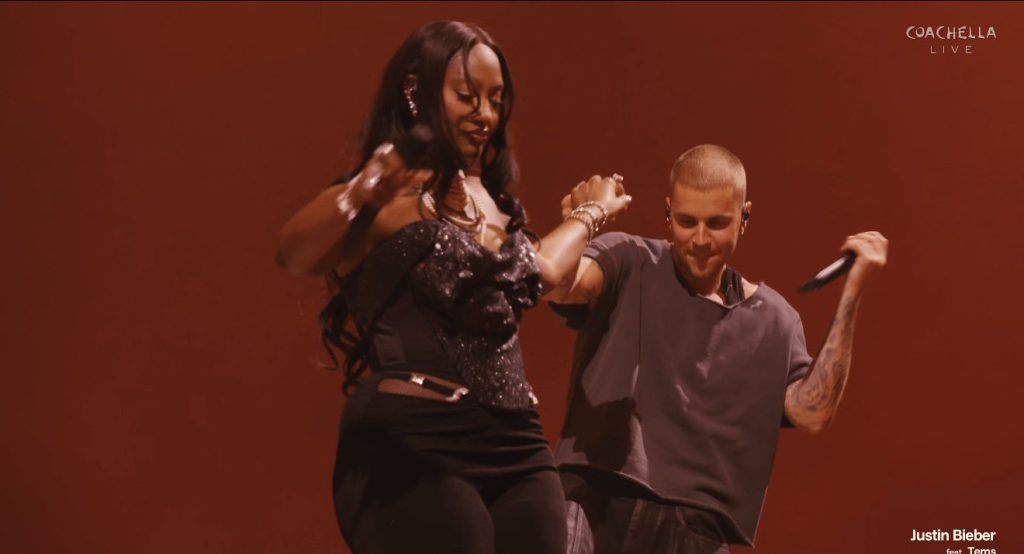
Back in 2024, Tems controlled the narrative. She brought out Wizkid, the originator of the track, and Justin Bieber, who helped push the remix further into the American mainstream. That performance felt like a statement about arrival. In 2026, the roles flipped. Justin Bieber, one of the biggest pop artists in the world, was now the one bringing Wizkid and Tems out. It subtly shifted the dynamic from co-sign to collaboration among equals.
Wizkid’s presence carried the weight of legacy. As the artist behind the original “Essence,” his performance still holds authority over the record. There’s a certain ease in how he delivers it live, no over-performance, no unnecessary theatrics, just confidence in a song that already connects across cultures. Tems, on the other hand, brought the same controlled intensity that made her stand out from the beginning. Her vocals remain the emotional core of the track, and in a live setting like Coachella, that clarity cuts through immediately.
Justin Bieber’s role in this moment was strategic. He didn’t try to dominate the performance. Instead, he positioned himself as part of the record’s global journey. By bringing Wizkid and Tems out, he acknowledged where the song comes from while also reinforcing how far it has travelled. That balance is what made the performance work. It avoided the common trap of Western artists overshadowing African collaborators on global stages.
The crowd response reflected how deeply “Essence” has settled into international music culture. There was no disconnect between audiences. Fans knew the words, understood the rhythm, and responded to each artist without hesitation. That kind of reception doesn’t happen by chance. It is the result of years of gradual exposure, streaming growth, and consistent global touring by Afrobeats artists.
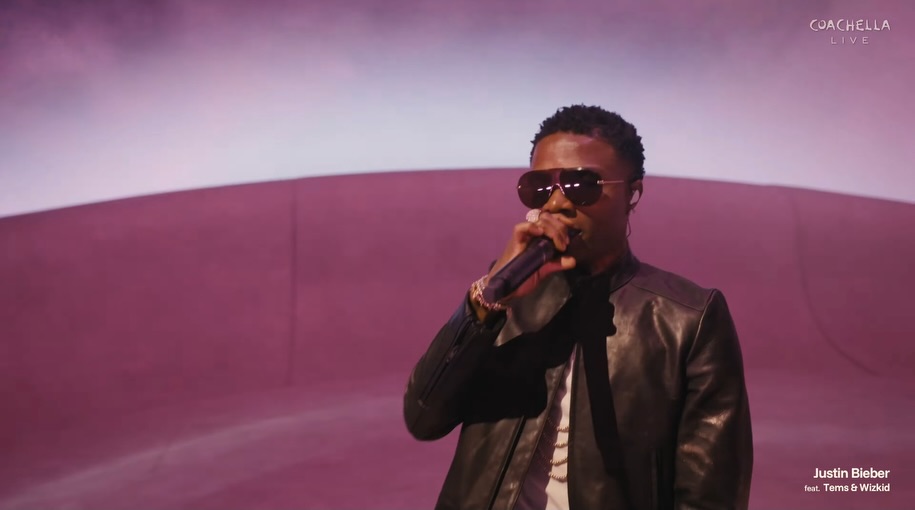
What this moment at Coachella 2026 really showed is how Afrobeats now operates within the global festival system. It is no longer positioned as a niche or emerging genre. It sits comfortably alongside pop, hip-hop, and electronic music on major stages. The fact that a Justin Bieber set included a core Afrobeats record, performed with its original artists, says a lot about where the sound currently stands.
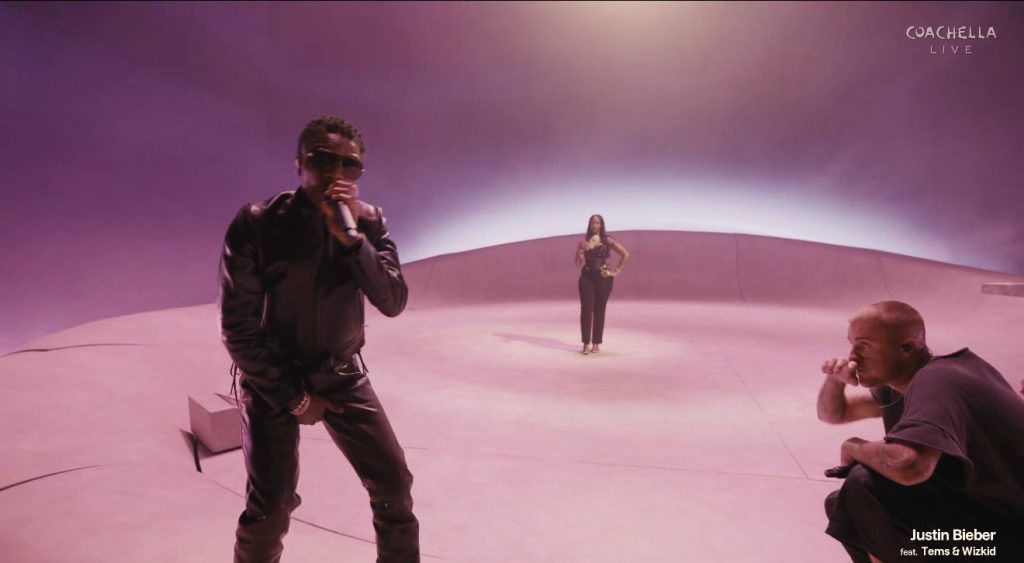
It also highlights the importance of “Essence” as a cultural record. Few songs manage to maintain relevance years after release while still feeling fresh in live settings. Its structure, simplicity, and cross-cultural appeal have allowed it to age well, and moments like this Coachella performance continue to extend its lifespan.
Outside of the symbolism, it was still a clean, effective live performance. No overcomplication, no unnecessary production tricks, just three artists delivering a song that already carries global weight. And sometimes, that is exactly what a festival audience needs.
In the bigger picture, this wasn’t just a callback to 2024. It was a continuation of a shift that is still unfolding. Afrobeats is no longer knocking on the door of global recognition. It is already inside, influencing lineups, shaping collaborations, and defining moments on stages like Coachella.
Justin Bieber bringing out Wizkid and Tems in 2026 didn’t just recreate a viral moment. It confirmed that what once felt like a breakthrough is now part of the standard.